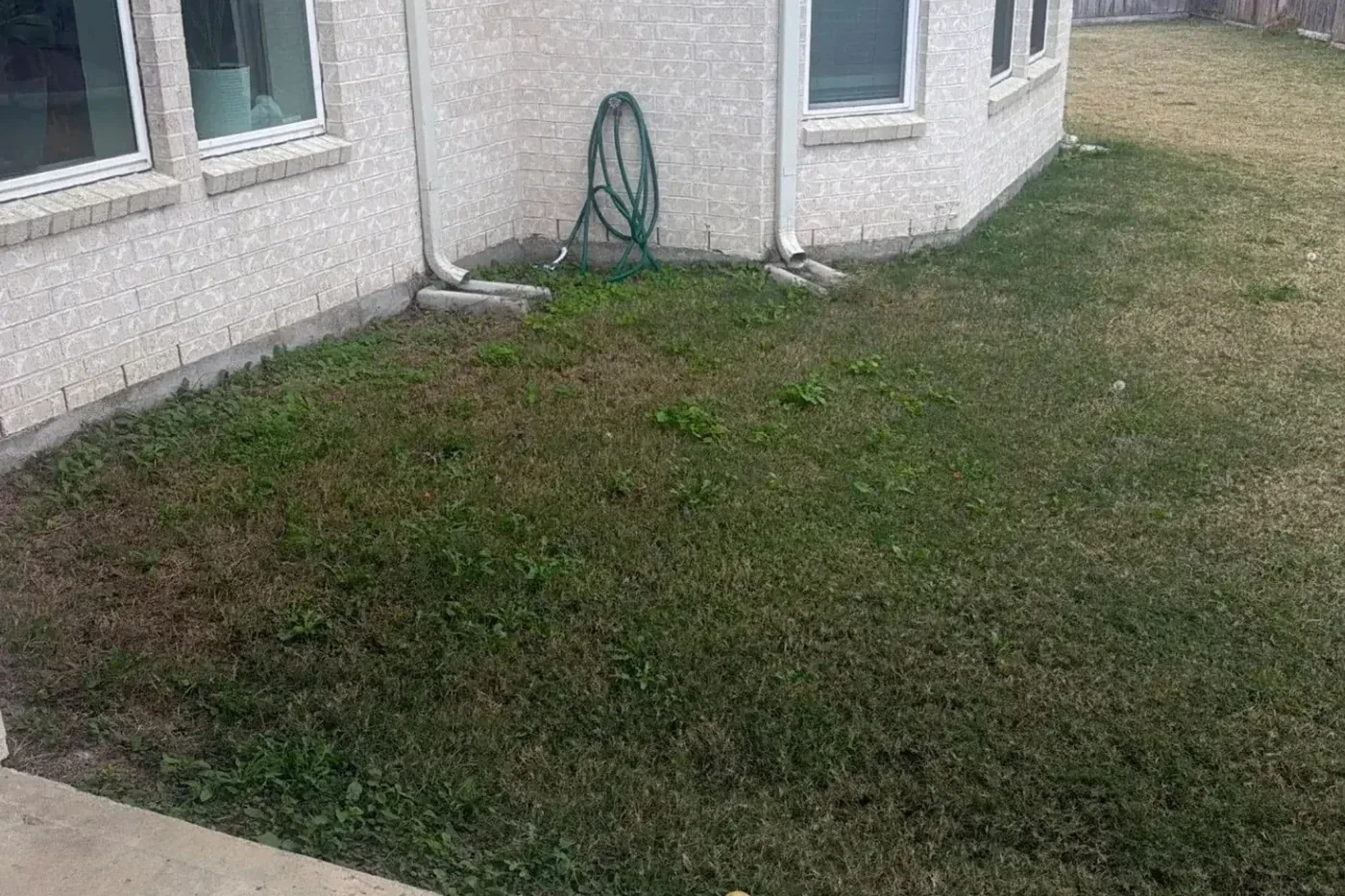
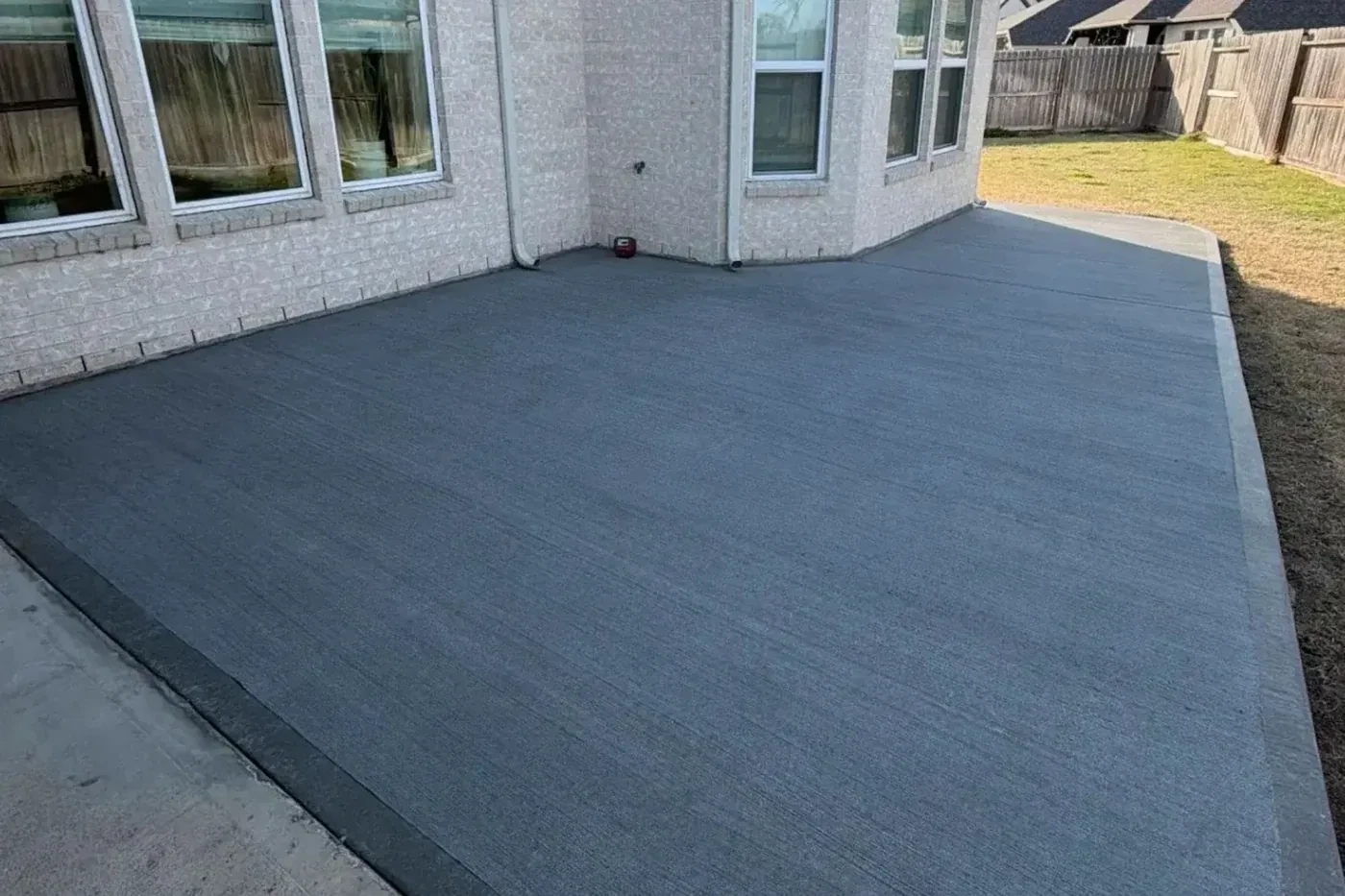
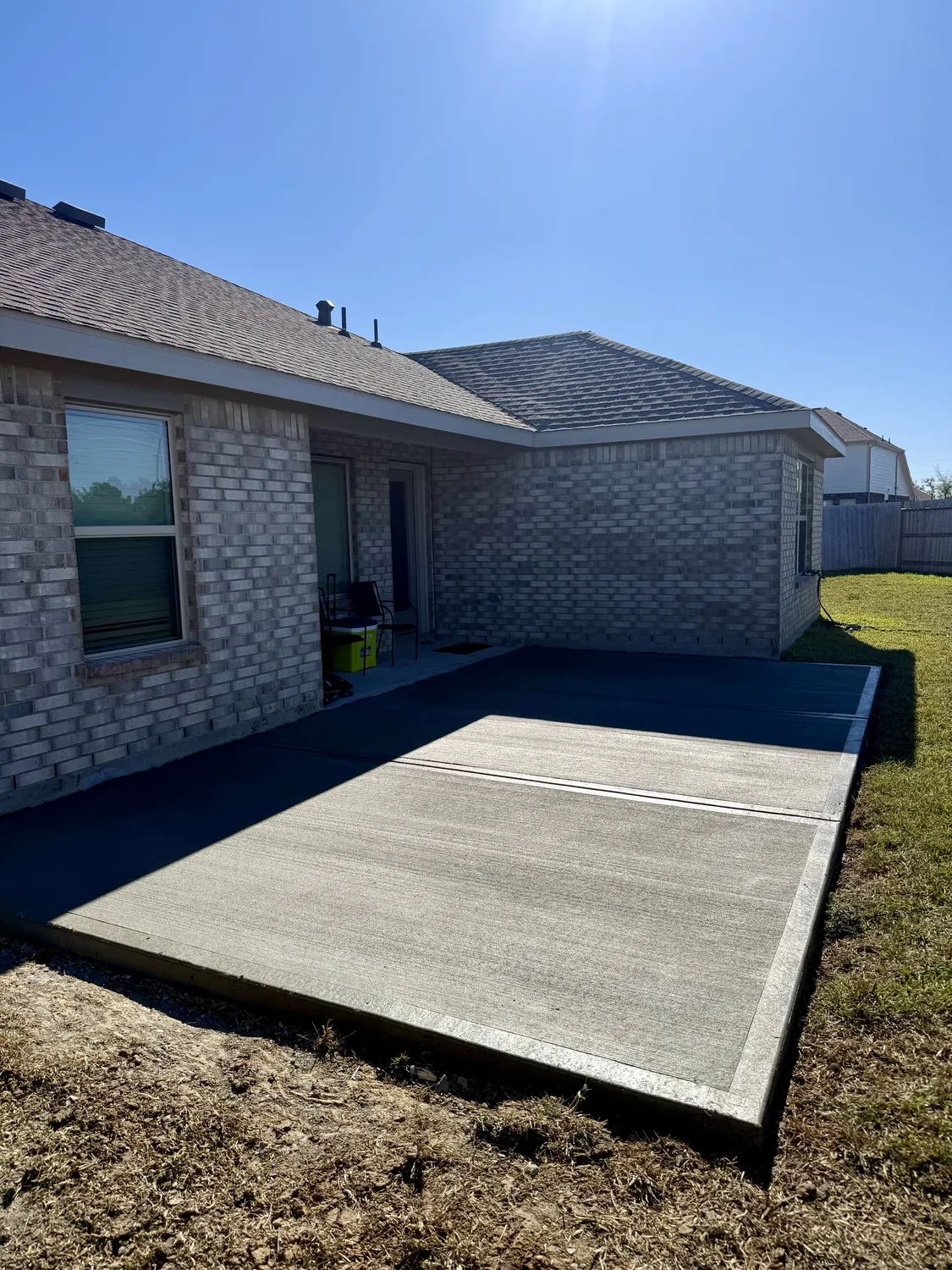
How much does a concrete patio cost in Colorado Springs?
Concrete in the Pikes Peak region prices above the national flatwork average for concrete reasons, not markup: an air-entrained mix for the freeze-thaw, footings carried to the 30-inch frost depth the Pikes Peak Regional Building Code calls for, and base prep that changes with the soil, since Pierre-shale clay needs different handling than a decomposed-granite lot. As an honest starting range, most broom-finish patios run about $9 to $15 per square foot, and stamped or decorative work about $15 to $24, before base prep. After that, a patio number depends on square footage, finish, and how much base work the ground needs. We price it after seeing the site, not as a low figure over the phone.
How thick should a concrete patio be?
A residential patio is poured at 4 inches over a compacted base, which handles foot traffic and furniture, and we step the thickness up where a hot tub or other concentrated weight will sit.
Will Colorado Springs clay crack my patio?
Expansive clay is the main reason slabs heave in the Pikes Peak region. The bentonite in Pierre shale swells when it gets wet and shrinks back when it dries, so we deal with it at the base: identify the soil, excavate, compact, and build a drained subgrade, then cut control joints so any movement follows planned seams. We cannot promise concrete never moves on this ground, but we build to steer where it shows.
Can you pour a concrete patio in the winter?
Concrete has to cure above freezing, so deep-winter pours here are limited and need cold-weather protection like blankets. We will tell you honestly whether to pour now or wait for a better window, because a slab placed in the wrong conditions sets up weak.
Should I get a broom finish or stamped concrete?
A broom finish is the practical pick: textured for grip when there is snow or ice, and easier on the budget. Stamped gives the look of stone or slate, but at this altitude the intense UV and winter de-icers are tough on the sealer and color, so it needs resealing more often. We walk both against how you actually plan to use the patio.
Does hail damage concrete patios in Colorado Springs?
The slab itself shrugs off hail far better than a roof or a car, which is one reason flatwork holds up well in Hail Alley. What hail and storms do test is drainage and the sealer, so we slope the patio to clear water fast and use a surface seal that takes the repeated wet-dry and freeze-thaw beating.